instagram

Showing posts with label History. Show all posts

Saturday, October 15, 2016

Petersen Auto Museum: A Disappointingly Sterile Makeover

Petersen

They destroyed the soul of the Petersen Automotive Museum.

The completely redesigned museum re-opened at the end of 2015, but I finally got a chance to check it out last week. The exhibits are smart, crisp, pristine and interesting. But museum is no longer fun.

Ironically, the outside of the Petersen used to be sterile, short-changing the personality inside. Now, it's just the opposite: The museum's new facade is ambitious and bold... while the inside is surprisingly sterile.

The anal/Virgo in me loved the new, clean setup. It's well-organized, pristine and doesn't distract from the cars.

But the Angeleno enthusiast in me misses the old museum, with its re-creation of early 20th Century L.A. streetscapes. The old museum was also much more kid-friendly, and the new one is truly for the car enthusiast. It was perfect for my dad, who was visiting, but I imagine my kids would get antsy after awhile.

David Ulin shared my disappointment in the L.A. Times:

When my son Noah was little, the Petersen Automotive Museum — the car museum, we used to call it — was one of the touchstones of his world. In many ways, they grew up together; the Petersen opened on June 11, 1994, only a few months before Noah was born. Beginning when he was 1, we went to the museum around once a week, and we quickly developed a routine that lasted for a decade or so: Start with the immersive streetscape on the ground floor, with its trolley homage to Laurel and Hardy (Noah always spent time in the driver's seat), its Helms Bakery bread truck, its grocery store and auto showroom, then move on to the second floor, where there was a fully detailed hot rod shop and all those movie cars. Our visits would generally wrap up in the third floor playroom.

The new museum no longer plays by such irreverent rules. We visited, finally, a Sunday or so ago. As per the advice of the docent, we took the elevator to the third floor and worked our way down — exactly the opposite of how we used to navigate the space.

The new museum is themed by floor: History, Industry, Artistry. Cars and motorcycles are arrayed like, yes, museum pieces: static, sterile, separated from environment. This has long been my issue with museums, the notion that they strip art of context — or more accurately, impose a “museum” context of their own.

This new museum was efficient, even comprehensive, in its way, but it wasn’t much fun. It didn’t stir us to do much except keep moving, one display to the next. We stopped and admired the motorcycles (Noah is a rider), and the theme cars. We glanced at the production galleries and the performance vehicles. Yet there were few points of intersection, little for us to do but look.

Not only that, but the personality of the place, its connection to the city, was no longer clear. “It used to be a museum about Los Angeles,” Noah said once we reached the ground floor. “Now it’s just a museum.”

Exactly my thoughts. The Petersen used to be alive. Now it just feels like... a museum. (As for the outside, well, LA Times architectural critic Christopher Hawthorne notes that the museum "has embraced its inner Michael Bay."

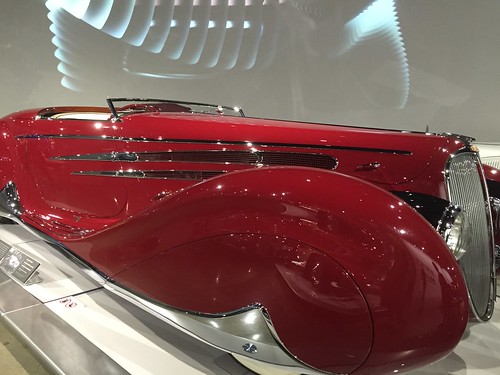
That's not to say I didn't enjoy it. I'm always a sucker for history and the past, and checking out classic and historic automobiles is always interesting. Some shots from our afternoon at the new Petersen:
Petersen

This 1900 Smith is the oldest surviving gasoline powered vehicle built in Los Angeles.
Petersen

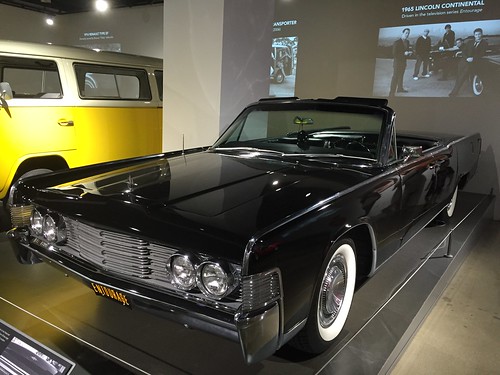
"Entourage" car

Petersen

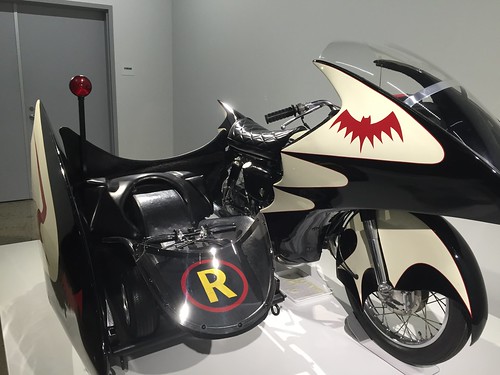
Batman!

Petersen

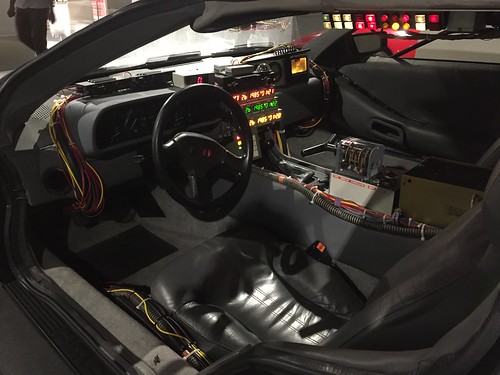
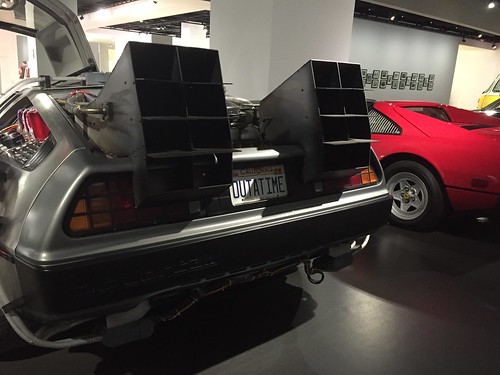
OK, the kids would absolutely get a kick out of seeing the "Back to the Future" DeLorean
Petersen

Outatime!

Petersen

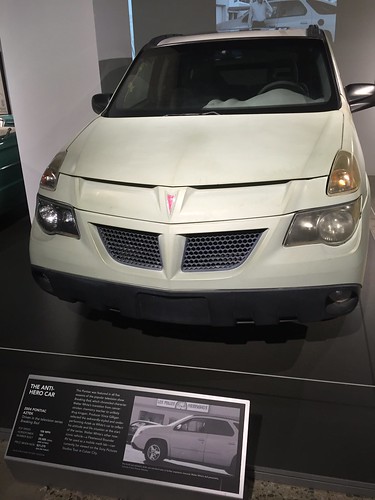
The infamous "Breaking Bad" Pontiac Aztec
Petersen

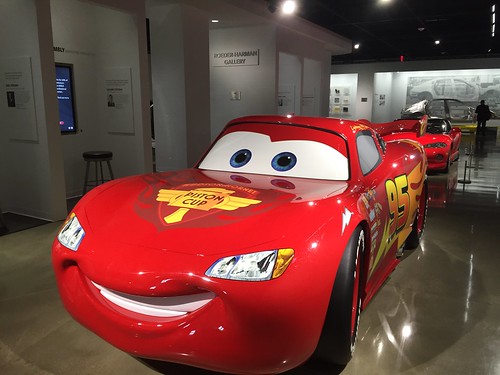
Lightning McQueen

Petersen

Petersen

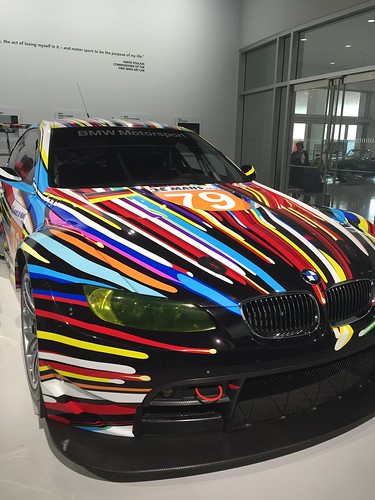
Art car


Petersen

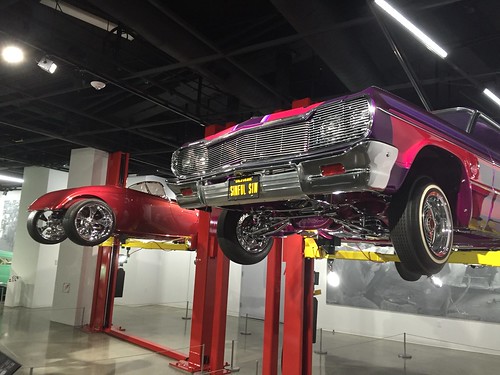
Low riders

Petersen

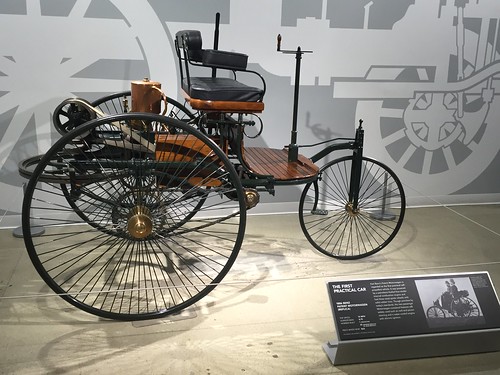
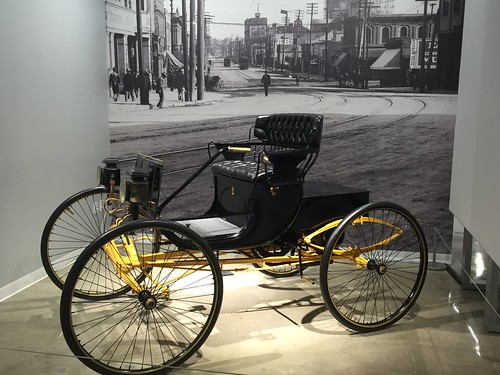
Replica of the first practical car

Petersen

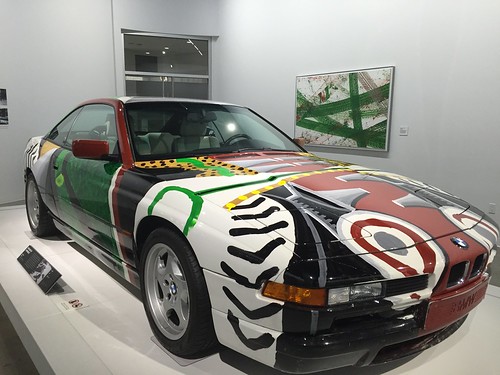
David Hockney art car

Petersen

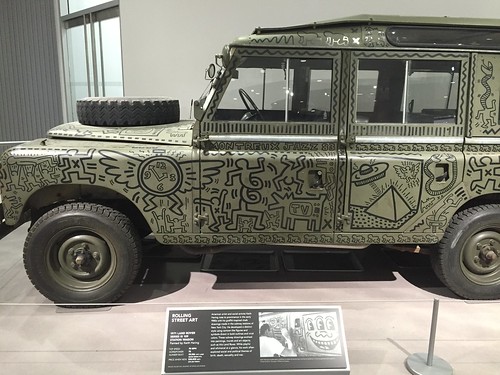
Keith Haring art car

Petersen

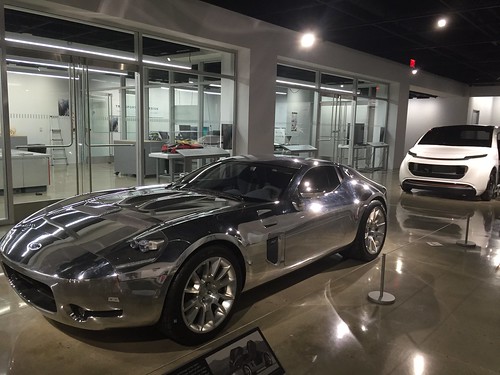
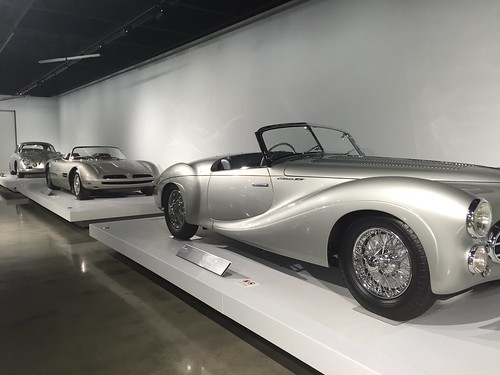
Silver cars

Petersen

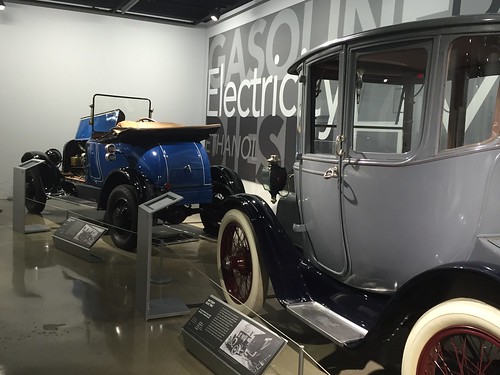
Original electric cars

Thursday, October 15, 2015

Mummy Dearest: The Natural History Museum's Latest Exhibit

Mummies

We recently became members of the Natural History Museum of Los Angeles County, and as members, that includes free admission to special exhibits like the new "Mummies: New Secrets from the Tombs."

The display, created by Chicago's Field Museum, includes a look at 20 mummies (many of which have never been on public display) from both ancient Egypt and Peru.

Details:
This exhibition reveals these people’s burial secrets, new details about their lives, and the societies they lived in.

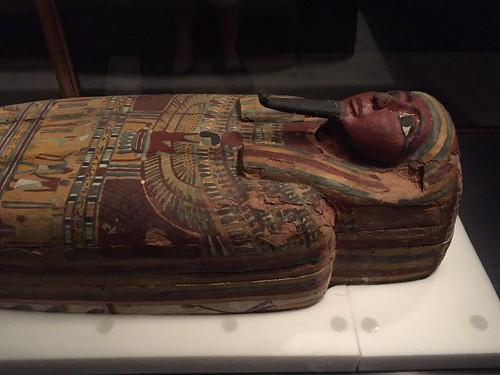
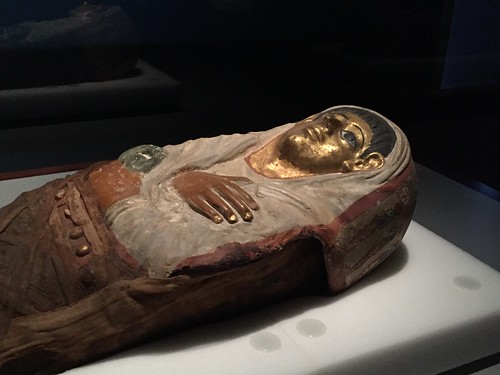
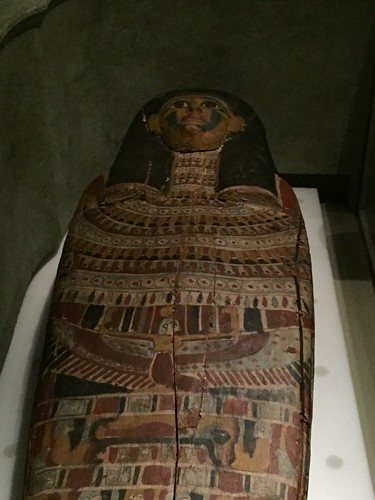
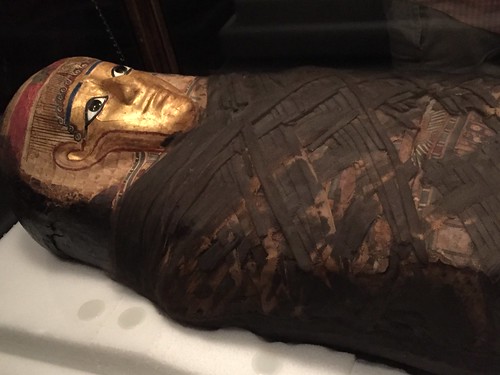
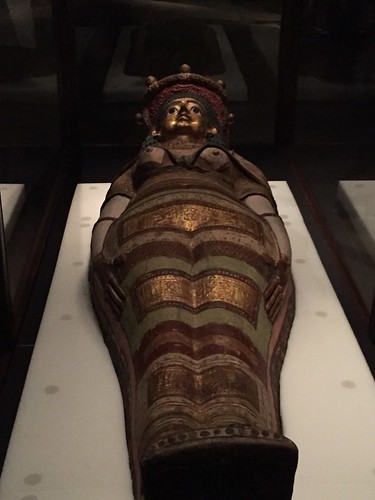
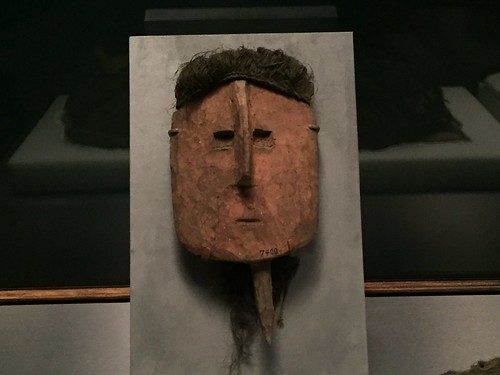
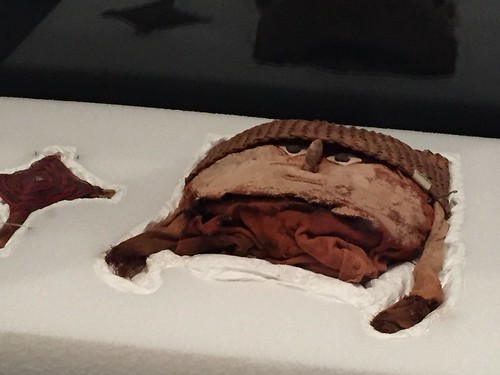
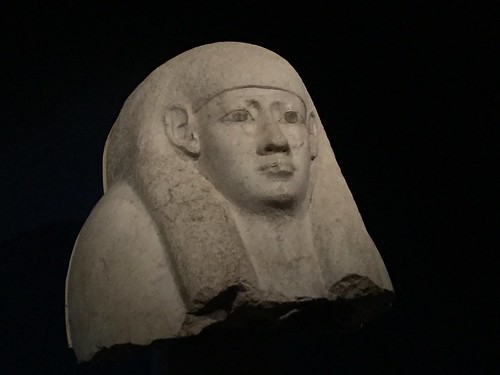
Also on display will be richly decorated coffins, sarcophaguses, mummification tools, and mummies of birds, cats, and crocodiles. At interactive touchtables, you can “unwrap” layers of mummies, to see the precious objects the bodies were buried with, as well as vivid details about the individual children, teens, and adults who lived out their lives in ancient times. Using the modern technology of CT scanning, scientists have revealed a detailed look into long-vanished cultures of Peru and Egypt.

The Blogger Kids were armed with plenty of questions about why the practice once existed, and what happened to it. We took photos of some of the displays, but honored the museum's request not to photograph any of the human remains on display.

More pics:

Mummies

Mummies

Mummies

Mummies

Mummies

Mummies

Mummies

The Mummies exhibit continues through Jan. 18. The NHM is open 9:30 am - 5 pm every day (except Thanksgiving, Christmas and New Year's Day).

Saturday, October 25, 2014

FREE L.A.: Walk with Zombies and Learn Los Angeles History This Saturday

zombie walk 2014

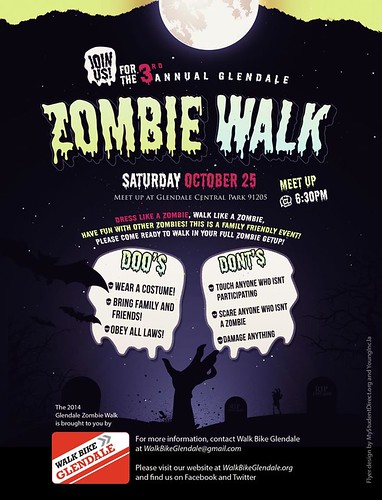
Why should "The Walking Dead" have all the fun? Dress up as the undead and join Walk/Bike Glendale's annual Zombie Walk, a fun crawl (you're zombies, after all) down a few major streets in search of braaaainnnnnns. It's Saturday night at 6:30 pm; Go here for more details.

archives bazaar

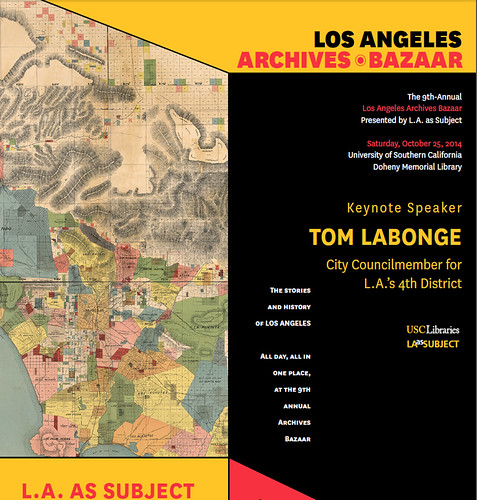
The 9th Annual Archives Bazaar, sponsored by LA As Subject, features dozens of regional historic societies, all under one roof. It's a must for L.A. history geeks like me, and it's free. (Parking at USC is $10, however.) Details:

Come experience the diversity of stories that make Southern California such a place of discovery. At the 9th-annual Los Angeles Archives Bazaar, presented by L.A. as Subject and the USC Libraries, anyone with an interest in the region’s history will find something of value. A broad array of institutions and archives will have experts on hand to show off their collections and answer questions—from the Autry National Center of the American West and the Los Angeles Public Library to private collectors whose materials fill the gaps left in the region’s history. In all, more than 70 archives will be represented at this event, which is free and open to the public.

In addition, the bazaar will feature an archives roadshow, where anyone can bring historic photos or documents from home they want scanned; panels featuring specialists discussing the monsters that lurk throughout Southern California and L.A.’s “magical” year of 1939; and a screening of Monomania L.A., a documentary sponsored by Cal Humanities and airing on KCET about the motives and passions of collectors.

Saturday, October 25, 2014
9:00 a.m. - 5:00 p.m.
Doheny Memorial Library
USC University Park Campus

Wednesday, December 4, 2013

Tour A Rediscovered 1920s Speakeasy Under Downtown's King Eddy Saloon (VIDEO)


In honor of the launch of TNT's new L.A. noir drama MOB CITY, everyone's favorite historic tour operator, ESOTOURIC, conducted a look inside downtown's King Eddy Saloon and a rediscovered 1920s speakeasy below. "Mob City" author John Buntin was on hand as well. Watch above.

Check out a tour of the "Mob City" set (back when it was being produced under the working title "Lost Angels"), including a replica of 1940s City Hall, here.

Friday, April 13, 2012

Paley Center and Warner Bros. TV Partner to Go "Out of the Box"


Back in the early 1950s, the major Hollywood studios feared the advent of TV -- so much that they refused to produce programming for the emerging medium. Movies of the era even refused to show TV sets on camera, just in case audiences got any crazy ideas. But Jack Warner eventually saw TV as a place to promote his films, and partnered with dead-last ABC in 1955 to launch "Warner Bros. Presents," a wheel program that included "Cheyenne" -- a western that became the first original series produced by a Hollywood studio.

From there, Warner Bros. TV produced a fair amount of TV. But it wasn't until its acquisition of indie TV powerhouse Lorimar (home to "Dallas," "Full House" and so much more) that the studio as we know it today, the top supplier of primetime programming, took root. Other acquisitions included Turner's Castle Rock (the home of "Seinfeld") and Hanna-Barbera (putting Scooby-Doo and The Flintstones under the same roof as Bugs Bunny).

By the 1990s, Warner Bros. was producing mega-hits like "ER" and "Friends." And today, it's the studio behind comedy smashes "Two and a Half Men" and "The Big Bang Theory," syndicated shows like "Ellen" and fan favorite dramas like "Fringe." The studio is also known for its extensive archives -- which is why it was ready to partner with the Paley Center for a new exhibit, Television Out of the Box. The showcase, which just opened last night via a big event at the museum's Beverly Hills location, includes props, sets, wardrobe, collectibles and even kiddie rides. It's worth the visit -- I'll be back to give it more of a look through. Being the TV history geek I am, I'm especially interested in the old memos, telegrams, newspaper clippings and timelines detailing the history of Warner Bros.' involvement in TV.

Some pics of the exhibit:


Warner Bros. lunch box collection. I think I once owned the Dukes of Hazzard one.


Lynda Carter's "Wonder Woman" outfit. (Sorry, so sign of the ill-fated 2011 remake.)


Sing-a-long to TV themes old and new-ish.


The actual Monk's Cafe diner booth from "Seinfeld."


"Dallas" stars Larry Hagman, Linda Gray and Patrick Duffy (hidden by reporter) are interviewed.


Hanna-Barbera animation cel detailing "The Flintstones" character specs.


"Babylon 5" costumes.


The audience ticket from the original 1994 taping of the "Friends" pilot (then called "Friends Like Us"). "A new comedy about love, friends and Mr. Potato Head." <
The stars of "ER" wore these hospital name tags, complete with character names, as part of their wardrobe.


Warner Bros. first expresses interest in producing for TV via a 1930 Hollywood trade article. (By the way, I could only find a handful of Google references to "Inside Views of Stage and Screen." It's a lost and almost completely forgotten Hollywood trade, which perhaps pre-dates the arrival of Daily Variety and the Hollywood Reporter.)

The Paley Center in Los Angeles is located at 465 North Beverly Drive (S. Santa Monica Blvd.), Beverly Hills, CA 90210. It's open Wednesdays to Sundays 12:00 to 5:00 pm; closed Mondays and Tuesdays. Tix are $10 Adults, $8 Seniors/Students and $5 Children (under 13). It's a semi-permanent collection, continuing through 2015.

Friday, September 9, 2011

Retro Friday: Los Angeles, 1917


Via both LAist and Metro's The Source blog, here's an amazing silent film taken of Los Angeles circa 1917. Apparently Ford did a number of these films as educational travelogues. As LAist notes:

Check out the hustle and bustle of L.A.'s "575,000 souls" in the retail district, shopping for curious wares from the Orient, chugging up Bunker Hill on Angels Flight, and riding their horseless carriages through Downtown's tunnels.

I love this film simply for the ability to see the old buildings of Downtown Los Angeles (such as Clune's Auditorium) as living, breathing buildings and not just old black and white photos.

Tuesday, June 14, 2011

Fifteen Years in Los Angeles: I'm An Angelino


"Where are you from?" It's an easy question for most, but as the years tick by, it's become increasingly complicated for me.

I went to high school in Hawaii, and for years that was my easy answer. After all, it's where I spent my critical formative years. Where I had my first real journalism job, a paid internship at Hawaii Business magazine. It's where I learned to drive. Where I first got to DJ on the radio. Where my modern music tastes were formed (thanks, Radio Free Hawaii). Where I had my first kiss. Where I found my voice.

When I arrived in Los Angeles in 1996, straight from college in Chicago (and a quick five-month stint in Washington, DC), high school -- and Hawaii -- still seemed fresh. I was just 22, after all, and hadn't been an adult long enough to have put down any roots.

My first few years in Los Angeles seem like a blur now. Actually, whenever I hear Bran Van 3000's track "Drinking In LA" (above), it brings me back to living in L.A. in my mid-20s, in the mid-1990s.

But then I got older. And became more aware of my surroundings. I met someone, and she happened to live in Los Feliz (on Franklin Avenue, natch). Together, we began taking advantage this big, wonderful city. We spent time downtown. We explored via public transportation. We went to festivals, visited hole-in-the-wall restaurants and attended events big and small. We started this blog. We threw two races around Los Angeles. We chronicled the demise of landmarks like the Ambassador Hotel (and helped throw a wake in its honor). We started an annual walk that traversed the city. We got married, bought a house, had kids.

Hawaii seems so long ago now. And hell, so does drinking in L.A. at 26. But as I age and put down all of those roots, I feel closer to Los Angeles than any other place I've lived in my life. (Granted, I've lived in Los Angeles three times longer than any other place in my life.) It's been an amazing, transformative 15 years, Los Angeles. I'll keep laying down those roots, if you don't mind, as an Angelino. (By the way, according to D.J. Waldie, that should actually be Angeleño. But I honestly feel like I'm still working toward earning such a title. Maybe in another fifteen.)

Previously on Franklin Avenue:

Decade in Los Angeles: Go East, Young Man (June 2006)

Monday, June 13, 2011

Reviving the Ghost of L.A.'s Berkeley Square

Picture 7

One of the most fascinating blogs I've seen in a while is Berkeley Square Los Angeles, a look at a long-lost neighborhood in West Adams.

Berkeley Square was once a place filled with grand homes and privileged inhabitants. But the neighborhood decayed over time -- and the construction of the 10 freeway wiped it off the map. Here's how the blog describes its mission:

What came into existence was what must have been in its heyday a lovely picture of Southern California--serious houses by serious architects amid towering palms. And then it was over--the lure of Windsor Square, Hancock Park, Beverly Hills, Bel-Air, Brentwood, Pasadena, to name a few, became too great after the landmark 1948 U.S. Supreme Court decision that ruled unconstitutional the restrictive covenants precluding residency of African-Americans (among other ethnicities) in certain neighborhoods...the houses were aging and expensive to maintain...and the wall-like Santa Monica Freeway was eventually aimed almost directly through the Square.

The social ramifications, however, are not my primary aim here. I'd like merely to describe, post by post, what is known about each house and its occupants, to rescue the Square, as much as possible, from obscurity.
We'll be reading.

Monday, April 18, 2011

That's What A Hamburger Chain With No Sense of Its Legacy Is All About


(Photo via Paper.li.)

BOO to In-N-Out Burger for demolishing its oldest store, a 1954 now-empty structure located just down the street from In-N-Out headquarters.

So far, In-N-Out isn't explaining why they did it, but is offering a lame excuse: That it wants to build a replica of its first location there instead. Here's the L.A. Times' take on the news:

That tiny burger stand with its dual serving windows and outdoor eating area served as a model for future In-N-Outs as the Snyders slowly expanded their chain.

In November 2004, the firm opened a larger restaurant with indoor seating just south of the freeway and closed the smaller stand north of it. The structure had remained fenced off since then.

Although In-N-Out executives had talked of turning the abandoned burger stand into a museum, the company obtained a demolition permit this week from Baldwin Park building officials. Carl Van Fleet, In-N-Out's vice president for planning and development, said the company may build a replica of the Snyders' original house-turned-burger stand on the site of the demolished eatery. The company's oldest functioning drive-thru is in Pasadena, he said.
Read about our visit last year to the In-N-Out company store.

Friday, March 18, 2011

Retro Friday: TV, Invented Here in Los Angeles


Here's the first 10 minutes of KTLA's 40th anniversary special, broadcast in 1987. (KTLA did a similar one for its 50th anni in 1997.) In this first clip, KTLA gives a primer on the advent of TV, and gives the reminder (which many forget) that Philo T. Farnsworth perfected the invention right here in Los Angeles, in a non-descript apartment building on New Hampshire Ave. (I wonder if any of the tenants there now even realize that the live in the birthplace of modern TV. Check out a Google Maps photo of the building, via Hidden Los Angeles, here.)

Here's part two of the special:


The special has been cut into 13 parts to fit on YouTube, go there and type in "KTLA" and "1987" to get them all.

Monday, November 29, 2010

'Candyman': How One Angeleno Created -- And Then Lost -- The Jelly Belly Empire

Candyman: the David Klein Story (trailer) from Jennifer Klein on Vimeo.


There's something quite depressing about stories of genius inventors who wind up selling their creations too soon and for a paltry sum -- only to watch from the sidelines as it explodes in popularity.

The documentary "Candyman: The David Klein Story," currently running on the Documentary Channel, is one such tale.

In 1976, David Klein came up with the idea of a gourmet jelly bean -- an idea that came to him while watching "Happy Days."

Klein came up with an initial eight flavors and started selling Jelly Belly beans at Fosselman's in Alhambra.

Given the price and the novelty factor, it took a while for Jelly Belly -- which he named -- to take off. But after some crafty marketing stunts (including staging fake customers in front of a wire reporter), the idea caught on.

Soon David was appearing on chat shows like "Mike Douglas" as the "Candyman." People magazine wrote about him. He appeared destined for fame and fortune.

But as Jelly Belly hit it big, the vultures came out. First, Fosselman's itself tried to take away the Jelly Belly trademark -- but Klein was able to outsmart the ice cream shop.

Klein wasn't so lucky in 1980, when he was strong-armed by the manufacturer that produced Jelly Belly. Klein who wound up selling the company and accepting chump change (under $5 million, split with a partner).

Jelly Belly, of course, went on to become a mega success story. And Klein, who has had to fight regret and other demons these past 30 years, hasn't been able to come up with a new product that might rival the Jelly Belly phenom.

"Candyman" explores that sad footnote (Jelly Belly refuses to even mention Klein by name in its company history ). But it also serves as a tribute of sorts to the eccentric Klein, who has put people before business on many occasions, and who still puts on an upbeat, brave face despite what happened.

Glendale and Atwater Village are also prominently on display in the doc. And "Weird Al" Yankovic also makes an appearance.

Here's more info from the channel:

The idea for the "Candyman" documentary was hatched by David Klein's son, Bert, who enjoyed the fruits of his father's "Jelly Belly" creation in his early childhood, but soon struggled with his father's lost candy empire during his teen and early adulthood years.

Bert's long-suffering relationship with his father, combined with his 20-year career in the film business and the birth of his two children, gave him the incentive to create a film that could repair his father-son relationship and reunite the family.

"I wanted to make ‘Candyman' so my kids Emily and Aaron would know who their grandfather was and what he did for the world," explains Bert Klein. "Having lived through the adventure first hand, I knew it would be very entertaining and inspiring. This film is about far more than just ‘Jelly Bellies.' It is an amazing story about an extraordinary man living in extraordinary times. It is a Shakespearian tragedy through the eye of a jelly bean."


Thursday, June 17, 2010

Chronicling California's Early Traffic Signs


I've stumbled across another obscure yet wonderful California history site: CalTrafficSigns.com.

The site celebrates the old traffic signs "erected from 1920 to 1960 by the Automobile Club of Southern California (ACSC), the California State Automobile Association (CSAA) and the State Division of Highways (now Caltrans)."

That includes photos of those old signs, which the webmaster has been collecting for 30 years.

Friday, June 11, 2010

SoCal's Culinary Historians Recount The Golden Age of Dining at Sea


The Culinary Historians of Southern California, which looks after the Los Angeles Public Library's vast treasure of old menus and restaurant memorabilia, will tackle the world of luxury early 20th Century dining at sea this weekend.

"Of Fiddle Rails and Foie Gras: A History of Dining at Sea" takes place this Saturday, June 12th, at 10:30 a.m. at the Central Library's Mark Taper Auditorium. Admission is free.

Details:

Audience members will travel to the age of luxury liners as historian Bruce Vancil gives an illustrated lecture on dining at sea. Characterizing the dining experience by time period and class, Vancil will examine the trends and fashions aboard passenger steamships – ranging from simple survival during the crossing to lavish demonstrations of wealth and opulence.

A reception with themed refreshments will follow the talk at approximately 11:30.

Check out more info about the Culinary Historians of Southern California here.

Monday, May 31, 2010

Memorial Day Video: Clark Air Base Cemetery


After the U.S. military left the Philippines in 1991, it was up to volunteers to look after the cemeteries left behind. Thousands of U.S. and Filipino soldiers who died in WWII combat are buried in the cemetery that was once a part of Clark Air Base; as the video notes above, it's now veterans' groups that must raise the funds to maintain the grounds.

A Memorial Day shout-out to the folks who maintain U.S. cemeteries in far-away lands like the Philippines.

Friday, January 8, 2010

Downtown, Today vs. 50 Years Ago


I've been meaning for days to mention the L.A. Times' cool photo gallery of shots taken via the top of City Hall in 1951 and now.

I'm a sucker for these kind of "then and now" photo juxtapositions -- I own several books that similarly chronicle old and new Los Angeles. But there's something even cooler in being able to quickly click back and forth to see what's new -- and what's gone.

The shots above face west from City Hall; besides the obvious rise of the skyscraper (and the tragic destruction of the art deco Richfield building), I'm struck by the shrinking Bunker Hill. It's been documented that the city flattened the hill after removing all of the old Victorians and other buildings there (another sigh), and this photo comparison shows how much was dramatically sliced off the hill.

Check out more here.

Wednesday, November 11, 2009

More from "It's a Mod, Mod, Mod, Mod City": The Flight Path Learning Center and Museum


Talk about a well-kept secret, a nice little gem of an aviation museum. The Flight Path Learning Center and Museum, actually located on the LAX flight path (hence the name), boasts quite a nice collection of memorabilia from the golden age of flying. 

Everything from 1960s-era flight attendant outfits, to old airline seats, to an actual old DC-3 plane are a part of the museum. I was especially intrigued by all of the items saved from long-lost airlines like Pan Am, Western, Air California and many more. 

The museum also includes a research library and a flight simulation center.


(The view from the flight path.)

The Flight Path Learning Center and Museum was a part of the Los Angeles Conservancy's It's a Mod, Mod, Mod, Mod City tour on Sunday, in which participants got a close-up view of several 1960s-era modern buildings.


The museum building originally served as an operation facility for Northrop Aircraft Corporation from 1951 to 1965; it then became a terminal for charter flights and foreign carriers that didn't have regularly scheduled service. MGM Grand Air took the building over in 1987, until it went out of business. The building was empty until the museum -- a joint venture between the Los Angeles World Airports and the Flight Path Learning Center of Southern California -- was founded.


The DC-3 on display began in the 1930s as part of TWA's fleet. Later, it became a private plane for the executives of the Union Oil company. The plane ended its run in the early 1980s.

Groovy interiors!

The Flight Path Learning Center is located in the LAX Imperial Terminal, located at 6661 W. Imperial Highway, Los Angeles on the south side of the airport.

It's a great deal: admission and parking are free. The aviation museum is open Tuesday through Saturday, 10 a.m. to 3 p.m.