instagram

Showing posts with label Los Angeles History. Show all posts

Saturday, October 26, 2019

Metro's Blue Line Vintage Sign Auction Nets $30,000; Yes, I Bought One


As the Metro prepares to reopen its Blue Line on November 2 after major renovations, the big news is that it will now be known as the "A Line" -- as the L.A. rail system moves away from a color-coded system to a letter-based one. That also means many of the Blue Line's old signs are obsolete.

On Thursday, the Metro Shop held a Metro Blue Line Celebration and Vintage Sign Auction, pulling in at least $30,000 as people — including, yes, me —— purchased some of the old, retired signs from the line. Some of that money will go toward paying for the event; the rest will go back into Metro's general fund.

I was looking for one that said "Los Angeles," and managed to win one (although it wasn't cheap). Most of the major signs fetched $150 to $200, but there were deals for smaller signs. Around 300 vintage Blue Line signs that have been replaced were auctioned to the public; I wonder what happened to the others. (Go here to see how much each sign ultimately fetched.)

The event itself took place at the Union Station historic ticketing hall, and featured food, beverages and live music by Maria de la Vega & the Wayward Five. Some pics:


And yes, this is the one I ultimately purchased.


Tuesday, October 10, 2017

'Lost LA' Host Nathan Masters on Season 2 of the KCET Series, and What's Driving Interest in Los Angeles History


KCET's popular "Lost LA" series returns for a second season tonight with more insight on the history of Los Angeles. A co-production of KCETLink and the USC Libraries, L.A. historian Nathan Masters returns as host. This season's episodes include "Borderlands," which chronicles three people who lived through California's transition to Spanish colony to Mexican province and then American state -- including Pio Pico, the last Mexican governor of California; "Wild West," which looks at L.A.'s violent history; and "Building the Metropolis," about L.A.'s nonstop growth.

I've long been a fan of the Lost LA section of KCET's website; the station reports that this story about L.A. freeways was even the highest trafficked story of 2015.

Franklin Avenue asked Masters to preview the season and also talk about the growth of interest in L.A. history:

FRANKLIN AVENUE: What's the most interesting thing you learned about while producing this season of LOST LA?
MASTERS: I think most viewers will be surprised to learn, as I was, just how complicit Los Angeles was in the destruction of Northern California’s coast redwood forests. Thankfully some old-growth redwood groves survive today within state and national parks, but they represent just 4 percent of what once seemed like an endless, inexhaustible forest. That other 96 percent? A lot of it went into the houses, commercial buildings, and other structures that enabled LA’s great population boom of the early 1900s. We went from a large town of 100,000 in 1900 to a metropolis of 1.2 million in 1930, and many of those new Angelenos moved into houses built from redwood timbers. We explore that story in depth in Episode 3.

What do people ask you about the most on LA history?
It must be about the old red cars.

Why do you think that is?
It’s fascinating to think that Los Angeles, a city popularly associated with freeways and the automobile, once boasted the nation’s largest fixed-rail transit system. And of course the conspiracy theories surrounding the red cars’ demise, which found their best expression in Disney's Who Framed Roger Rabbit?, add a sense of intrigue.

What's the truth?
We tell the real story of the death of Southern California’s old trolley system in Episode 3. It turns out that, instead of a grand criminal conspiracy, more mundane factors like finances and shifting consumer preferences explain why we tore out our rails. Angelenos preferred to drive.

Do you find there's more interest in LA history these days? What's fueling that?
It does seem that way. Nostalgia is always one element, of course, but I’ve noticed a surge of interest in the past among younger people. I think they're yearning for a deeper sense of place, and in part they find that by looking into the past. LA’s always evolving, but our built environment, our demographics seem to be changing faster than ever, and I suppose people are looking back to our shared history for a richer understanding of what it means to be an Angeleno.

LOST LA premieres on Tues., Oct. 10 at 8:30 p.m. following the season premiere of SOCAL CONNECTED at 8 p.m. on KCET in Southern California. Here's the trailer:

Saturday, October 15, 2016

Petersen Auto Museum: A Disappointingly Sterile Makeover

Petersen

They destroyed the soul of the Petersen Automotive Museum.

The completely redesigned museum re-opened at the end of 2015, but I finally got a chance to check it out last week. The exhibits are smart, crisp, pristine and interesting. But museum is no longer fun.

Ironically, the outside of the Petersen used to be sterile, short-changing the personality inside. Now, it's just the opposite: The museum's new facade is ambitious and bold... while the inside is surprisingly sterile.

The anal/Virgo in me loved the new, clean setup. It's well-organized, pristine and doesn't distract from the cars.

But the Angeleno enthusiast in me misses the old museum, with its re-creation of early 20th Century L.A. streetscapes. The old museum was also much more kid-friendly, and the new one is truly for the car enthusiast. It was perfect for my dad, who was visiting, but I imagine my kids would get antsy after awhile.

David Ulin shared my disappointment in the L.A. Times:

When my son Noah was little, the Petersen Automotive Museum — the car museum, we used to call it — was one of the touchstones of his world. In many ways, they grew up together; the Petersen opened on June 11, 1994, only a few months before Noah was born. Beginning when he was 1, we went to the museum around once a week, and we quickly developed a routine that lasted for a decade or so: Start with the immersive streetscape on the ground floor, with its trolley homage to Laurel and Hardy (Noah always spent time in the driver's seat), its Helms Bakery bread truck, its grocery store and auto showroom, then move on to the second floor, where there was a fully detailed hot rod shop and all those movie cars. Our visits would generally wrap up in the third floor playroom.

The new museum no longer plays by such irreverent rules. We visited, finally, a Sunday or so ago. As per the advice of the docent, we took the elevator to the third floor and worked our way down — exactly the opposite of how we used to navigate the space.

The new museum is themed by floor: History, Industry, Artistry. Cars and motorcycles are arrayed like, yes, museum pieces: static, sterile, separated from environment. This has long been my issue with museums, the notion that they strip art of context — or more accurately, impose a “museum” context of their own.

This new museum was efficient, even comprehensive, in its way, but it wasn’t much fun. It didn’t stir us to do much except keep moving, one display to the next. We stopped and admired the motorcycles (Noah is a rider), and the theme cars. We glanced at the production galleries and the performance vehicles. Yet there were few points of intersection, little for us to do but look.

Not only that, but the personality of the place, its connection to the city, was no longer clear. “It used to be a museum about Los Angeles,” Noah said once we reached the ground floor. “Now it’s just a museum.”

Exactly my thoughts. The Petersen used to be alive. Now it just feels like... a museum. (As for the outside, well, LA Times architectural critic Christopher Hawthorne notes that the museum "has embraced its inner Michael Bay."

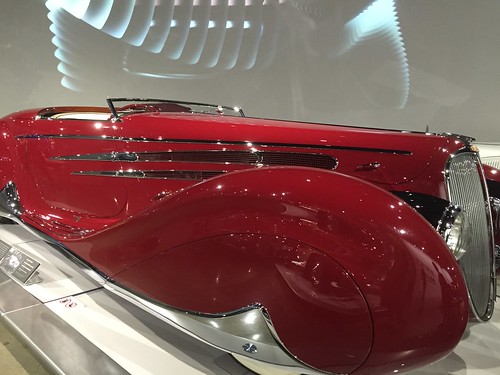
That's not to say I didn't enjoy it. I'm always a sucker for history and the past, and checking out classic and historic automobiles is always interesting. Some shots from our afternoon at the new Petersen:

Petersen

This 1900 Smith is the oldest surviving gasoline powered vehicle built in Los Angeles.

Petersen

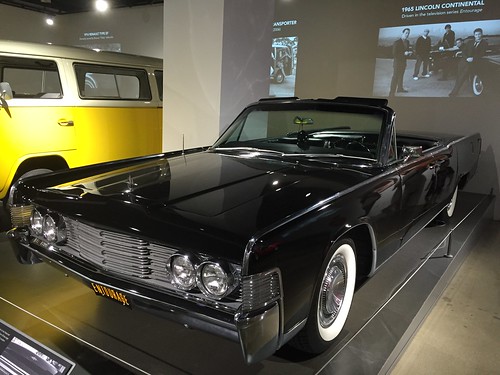
"Entourage" car

Petersen

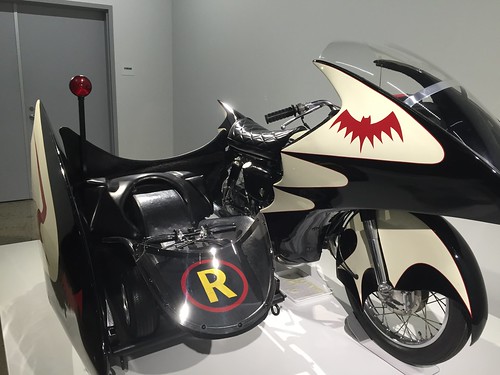
Batman!

Petersen

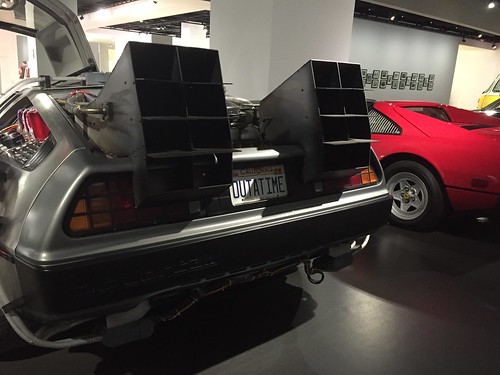
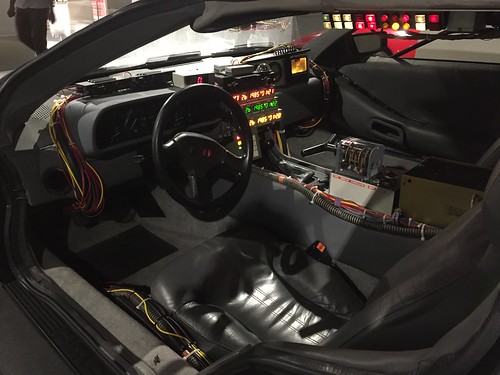
OK, the kids would absolutely get a kick out of seeing the "Back to the Future" DeLorean

Petersen

Outatime!

Petersen

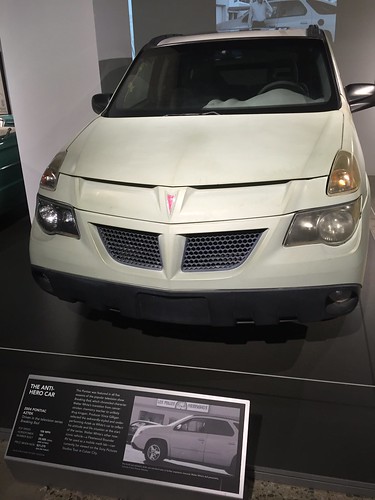
The infamous "Breaking Bad" Pontiac Aztec

Petersen

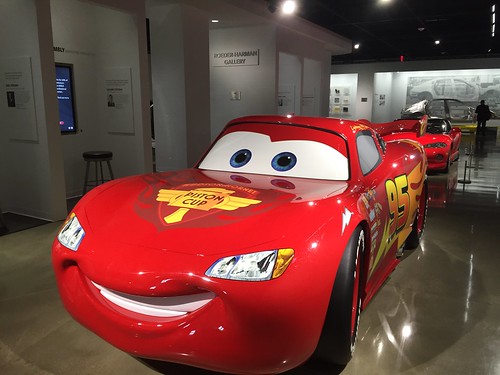
Lightning McQueen

Petersen

Petersen

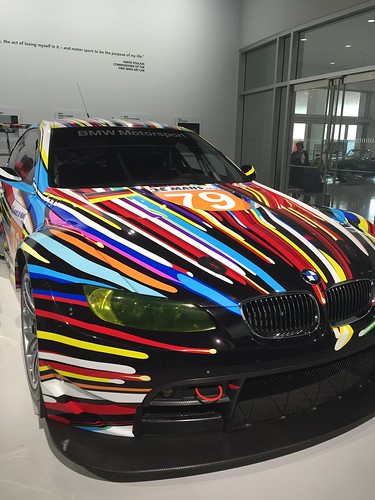
Art car


Petersen

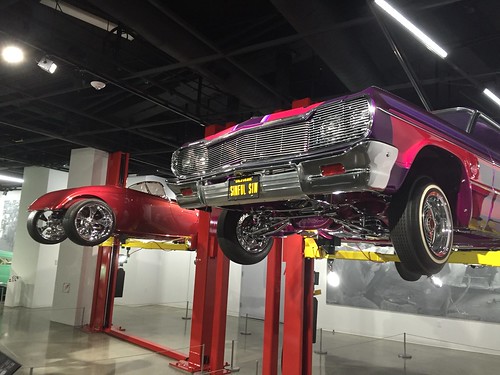
Low riders

Petersen

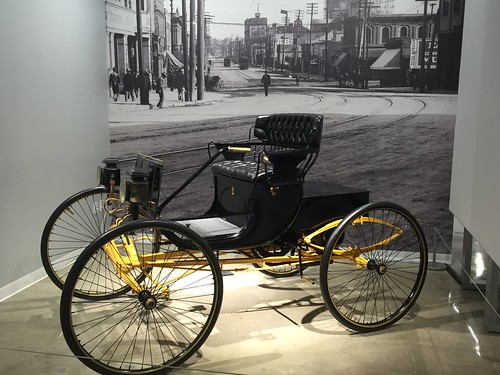
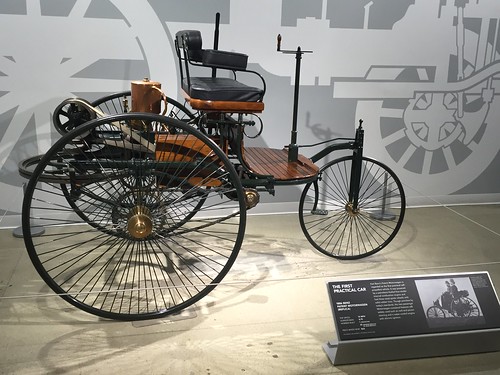
Replica of the first practical car

Petersen

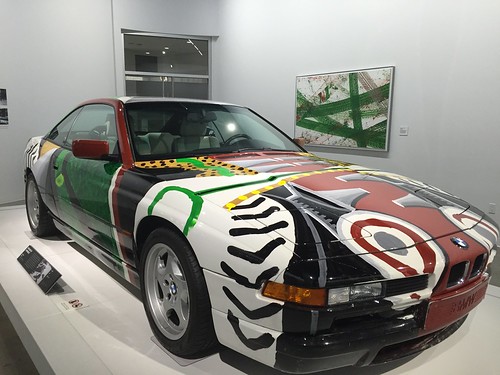
David Hockney art car

Petersen

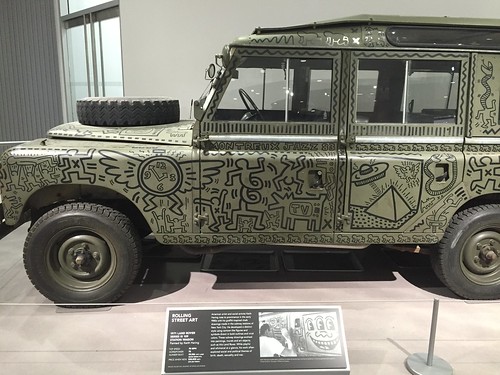
Keith Haring art car

Petersen

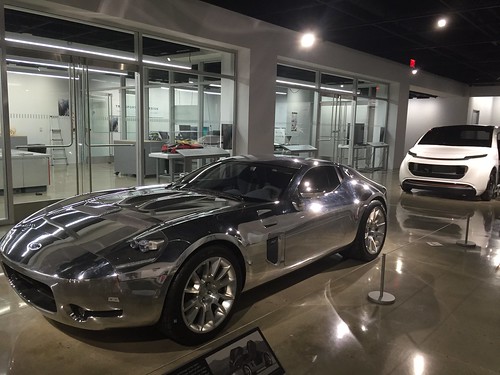
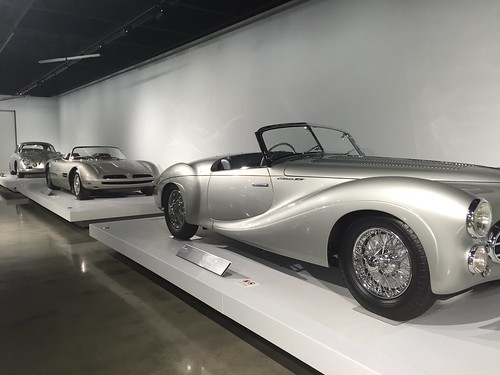
Silver cars

Petersen

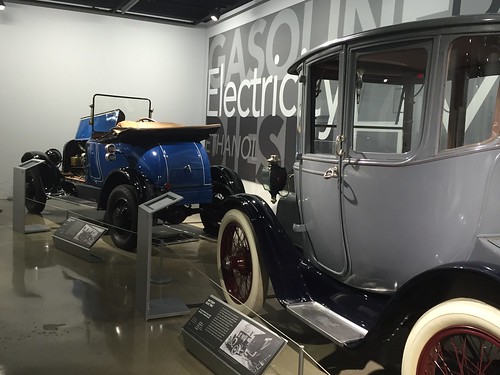
Original electric cars

Saturday, January 30, 2016

L.A. Cameo: Two Videos About Los Angeles History You Must Watch This Weekend

Lost LA

Some great L.A.-centric videos for you to watch this weekend:

First up, the debut episode of KCET's "Lost LA," which is completely up my alley. Here's the info:
Much of L.A.’s past is lost to history -- but we can rediscover it in the region’s archives. This new series, a co-production of KCETLink and the USC Libraries, in collaboration with L.A. as Subject, brings Southern California history to life by marrying archival materials with innovative forms of documentary storytelling. Hosted by L.A. historian Nathan Masters, this original series of three episodes showcases nine emerging filmmakers. From rotoscoping to cinema verité, the range of the filmmakers’ techniques mirrors the diversity of their backgrounds. But a common thread runs through their films: each brings the primary sources of L.A. history to the screen in surprising new ways. What previously hidden stories will the next generation of filmmakers unearth in the collections of L.A. As Subject members? Tune in to find out.

Watch the first episode below:


Journalist Colin Marshall's "The City in Cinema" series next tackles downtown's famed Bonaventure Hotel. Curbed LA has the details:
The Bonaventure Hotel in Downtown Los Angeles is supposedly one of the most photographed buildings in the world, but for all its appearances, it's a pretty inscrutable place: giant, reflective tubes on the outside and spiraling concrete walkways inside. [Marshall] starts to unravel the allure of the Bonaventure, which is both futuristic (see it in Buck Rogers in the 25th Century and Interstellar) and dystopian (car chases, falling deaths, shootouts, Batman, the climactic rave in Strange Days, and so many disaster movies—Marshall narrates that it "must appeal strongly to disaster filmmakers looking for structures to destroy with digital effects, given that it looks computer generated even in real life.")

The Bonaventure opened in 1976, designed by John C. Portman, and has since appeared in dozens of movies and TV shows, from the opening of the 1980 series It's a Living to This is Spinal Tap, Escape From LA, Heat, True Lies, and, naturally, Swordfish. Marshall shows in his video how filmmakers employ its iconic exterior, its Brutalist base, and its famously transcendent elevators; use it as a shorthand for Los Angeles or move it to Shanghai or Atlanta; give it new features as needed, like balconies on "the most obviously balconyless hotel in Los Angeles"; and completely and bafflingly ignore the rotating rooftop lounge.
Watch below!

Monday, October 12, 2015

Save the Historic Angels Flight Railway!

Angels Flight

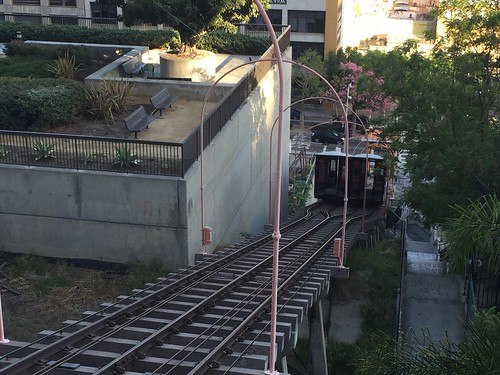
There it sits, collecting dust, out of operation now for two years. One of the historic symbols of our city, the Angels Flight railway, has already been saved twice -- but now it needs our help to be resurrected for a third time.

According to angelsflight.org progress is being made to reopen the attraction. But the railway has incurred major expenses:

We still have major expenses, including nearly $50,000 in annual insurance premiums, that must be met so that we can reopen. Please DONATE.

We need to raise $10,000 for the month of September and another $10,000 every month after that!

The Board of Directors of the Angels Flight Railway Foundation is pleased to report that we are making significant progress with our regulators to get Angels Flight back in public service.

Sign the petition to get Angels Flight back online! Here's the background:
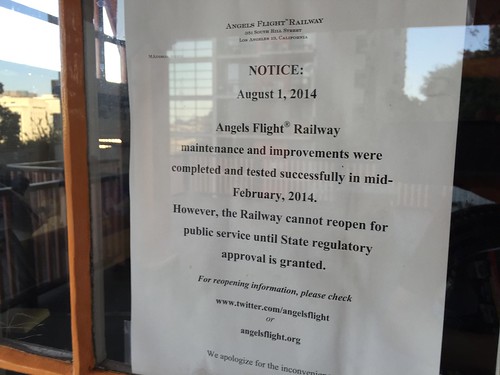
Los Angeles' beloved funicular railway, Historic-Cultural Monument #4, was out of commission for six hours on September 5, 2013, because of an incident that took place that day. The cause of the incident was investigated and addressed, and new safety equipment was tested in the presence of State and Federal officials in February of 2014. But now, nearly two years following the 2013 incident, the public still is being prohibited from riding Angels Flight. The operator of Angels Flight and numerous licensed professional engineers and the LAFD have concluded that safety issues have been addressed. The Railway is in safe working order, and has been since early 2014. However, because of the views of a now-retired NTSB investigator, the California Public Utilities Commission will not permit the vintage passenger cars to carry patrons until a track-adjacent evacuation walkway, which experts have written is unnecessary and even a foreseeable hazard, is installed alongside the track, the cables, and the electric third rail. Angels Flight is one of the great historic attractions of our city, a palpable link between the lost Victorian neighborhood of Bunker Hill and the vibrant new Downtown below. It is heartbreaking to see the cars and track structure as they are today, dusty and tagged with graffiti.

Angels Flight

Saturday, October 25, 2014

FREE L.A.: Walk with Zombies and Learn Los Angeles History This Saturday

zombie walk 2014

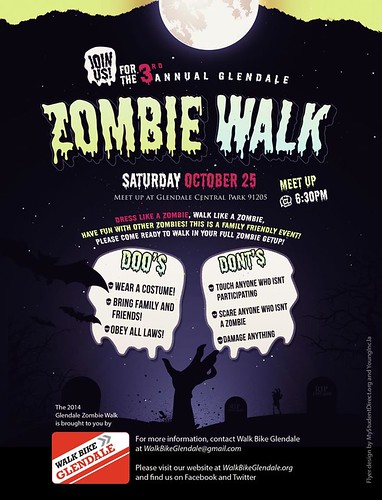
Why should "The Walking Dead" have all the fun? Dress up as the undead and join Walk/Bike Glendale's annual Zombie Walk, a fun crawl (you're zombies, after all) down a few major streets in search of braaaainnnnnns. It's Saturday night at 6:30 pm; Go here for more details.

archives bazaar

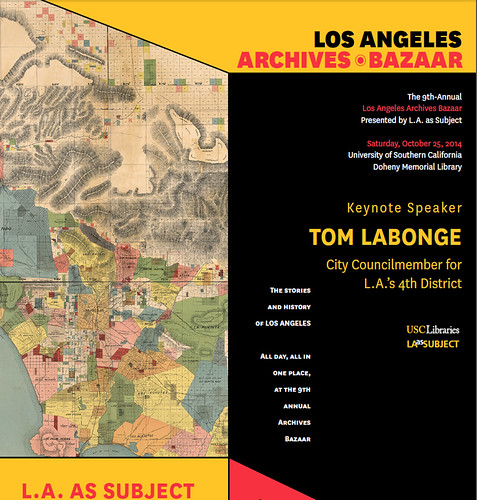
The 9th Annual Archives Bazaar, sponsored by LA As Subject, features dozens of regional historic societies, all under one roof. It's a must for L.A. history geeks like me, and it's free. (Parking at USC is $10, however.) Details:

Come experience the diversity of stories that make Southern California such a place of discovery. At the 9th-annual Los Angeles Archives Bazaar, presented by L.A. as Subject and the USC Libraries, anyone with an interest in the region’s history will find something of value. A broad array of institutions and archives will have experts on hand to show off their collections and answer questions—from the Autry National Center of the American West and the Los Angeles Public Library to private collectors whose materials fill the gaps left in the region’s history. In all, more than 70 archives will be represented at this event, which is free and open to the public.

In addition, the bazaar will feature an archives roadshow, where anyone can bring historic photos or documents from home they want scanned; panels featuring specialists discussing the monsters that lurk throughout Southern California and L.A.’s “magical” year of 1939; and a screening of Monomania L.A., a documentary sponsored by Cal Humanities and airing on KCET about the motives and passions of collectors.

Saturday, October 25, 2014
9:00 a.m. - 5:00 p.m.
Doheny Memorial Library
USC University Park Campus

Monday, June 2, 2014

Celebrating Lummis Day and Northeast Los Angeles at Heritage Square


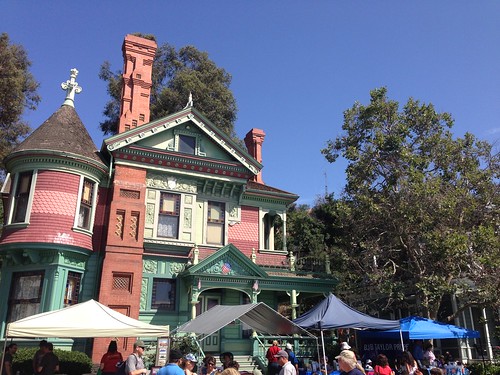
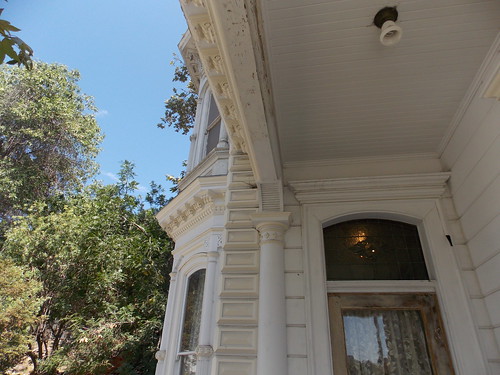
Victorian-era Los Angeles comes alive at Heritage Square, the collection of old homes and buildings parked in Highland Park. We were back there on Sunday for the 9th annual free Lummis Day event.

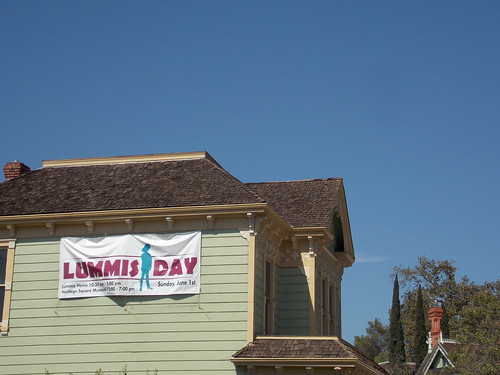
"Lummis Day" takes its name from pioneering L.A. journalist, librarian and leader Charles Fletcher Lummis, whose Lummis House, a Rustic American Craftsman stone house that he built in the late 19th century, is nearby and now a cultural landmark. Lummis Day is meant to celebrate the unique, diverse neighborhoods of Northeast Los Angeles.

Here are more pics from the Lummis Day events:


In costume inside one of the Heritage Square homes.


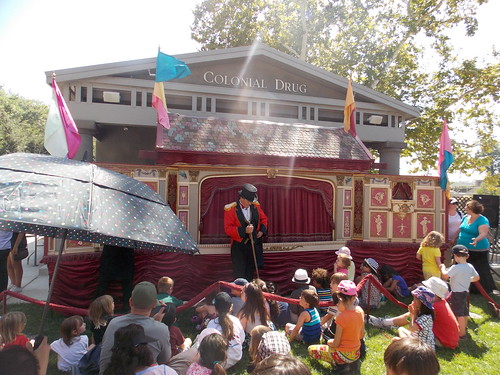
Kids gather for a puppet show at "Colonial Drug"


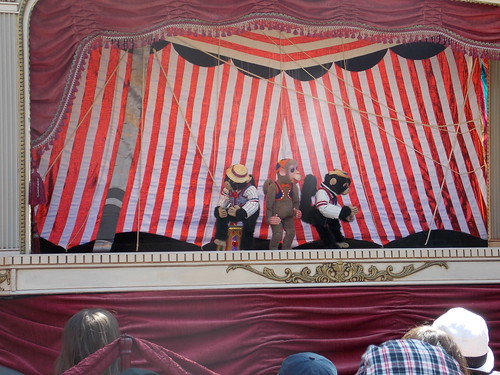
The puppets get down for "Scooter's Circus Adventure."


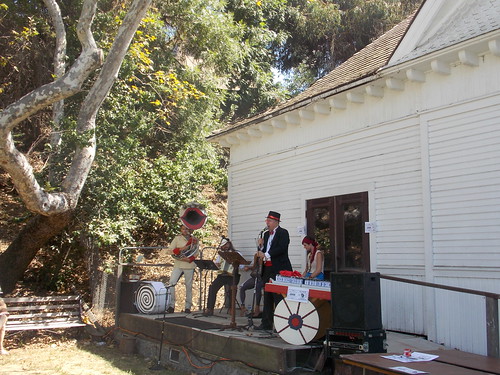
An old timey revue: Teatro Arroyo's "Dr. Madcap's Theatricum."


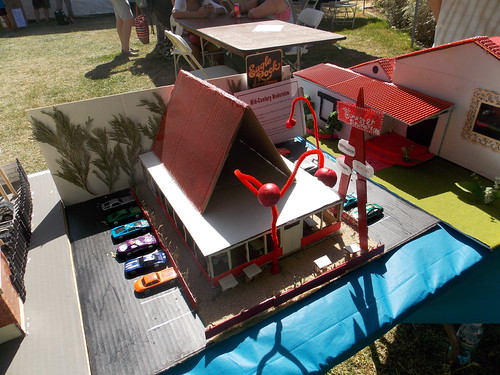
A model of Eagle Rock's Oinkster restaurant.

Tuesday, April 1, 2014

A Tour Through the Renovated Brand Library, One of Glendale's Crown Jewels

Brand library

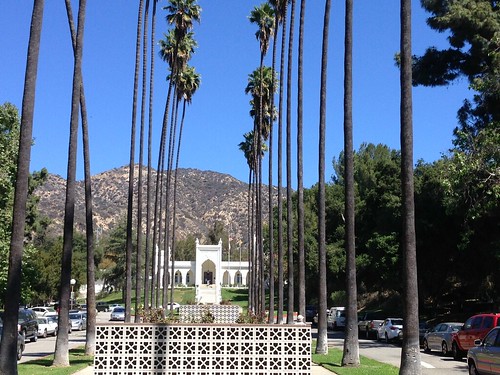
Glendale's Brand Library & Art Center re-opened this weekend after a two-year renovation that gave the old mansion-turned-library a beautiful and much-needed makeover. One of Glendale's founders, Leslie Brand, called it home -- and now it's one of Glendale's classiest attractions. Some history:

The Brand Library is housed in the mansion Brand built in 1904 named El Miradero. A gallery and recital hall was added in 1969. Located in Brand Park, high in the foothills overlooking Glendale and the San Fernando Valley, the Library serves an ever-widening public interested in the arts.

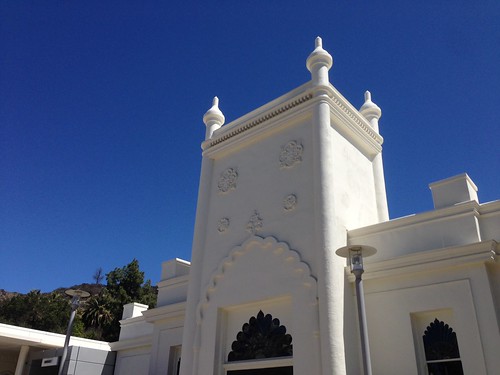
The design of El Miradero is similar to the East Indian Pavilion built for the 1893 Columbian World Exposition held in Chicago and visited by Brand. The architecture is considered Saracenic, with crenellated arches, bulbous domes and minars combining characteristics of Spanish, Moorish, and Indian styles.

Brand died in the house in 1925. He bequeathed El Miradero to the city and Mrs. Brand lived in the house until her death in 1945. The will provided that the property be used exclusively for a public park and library. By 1956 the mansion had been converted into Brand Library. Years later, in response to the need for more arts space, the City Council allocated funds to construct an addition to Brand Library that would include facilities for art exhibitions, lectures and concerts, as well as art and craft studios. The new addition was dedicated in October 1969.
Brand library

Some pics I took while touring the Brand during its grand re-opening celebration this weekend:
Brand library
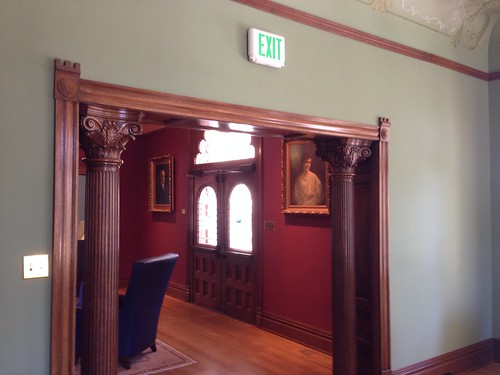
Paintings of Leslie Brand and his wife hang on opposite sides of the front door (which is actually no longer used as the Brand Library entrance).
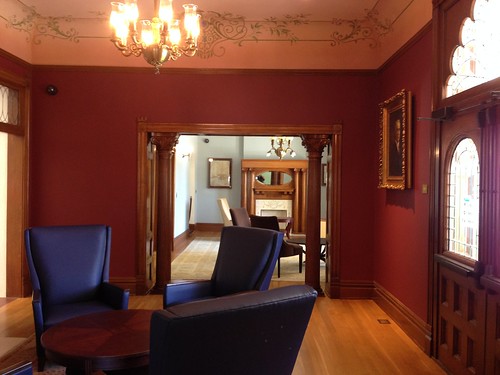
Brand library
Before the renovation, these rooms were filled with books. Now they've been restored to sitting areas and a bit more reminiscent of how the house once was.
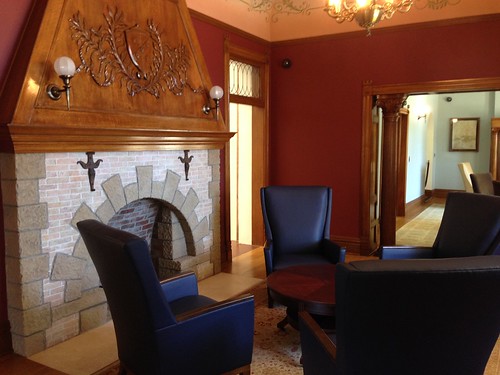
Brand library
A replica of the fireplace that once sat here, facing the front door. Prior to the renovation, the checkout table sat here.
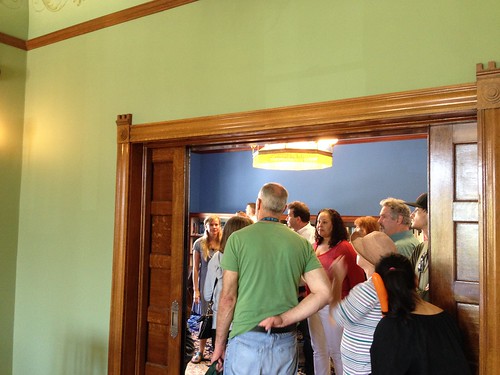
Brand library
These pocket doors were restored as part of the renovation.
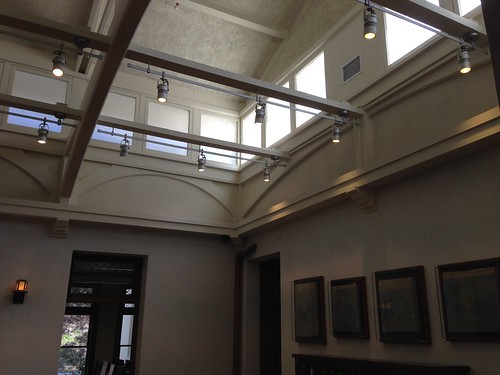
Brand library
The well-lit center of the house/library.
Brand library
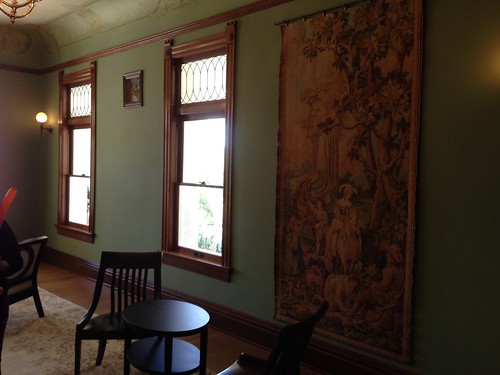
Workers found this tapestry rolled up and collecting dust in the basement, where it sat there for decades.
Brand library
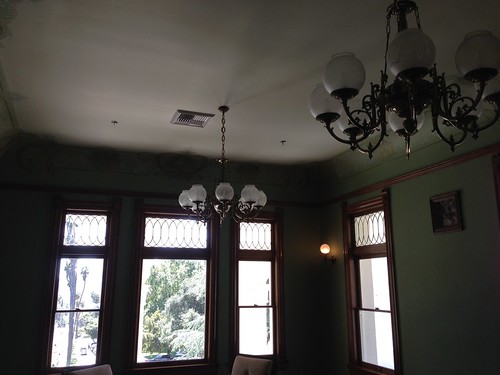
Light fixtures that are close replicas to the originals.
Brand library
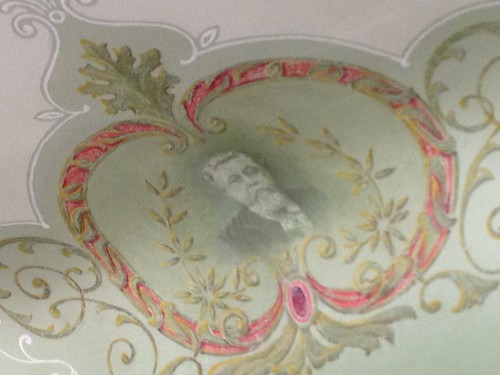
No, this is not Leslie Brand, and library officials aren't quite sure who it was, but perhaps the original painters adorned this portrait on the ceiling in honor of someone. But who?
Brand library
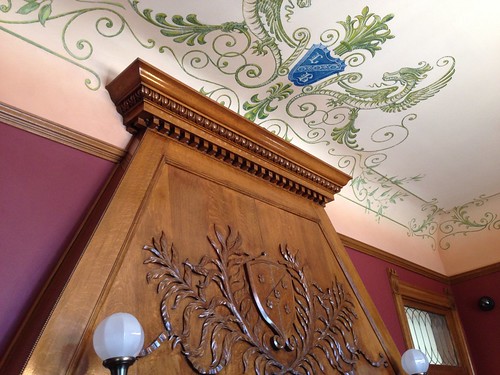
Above the entrance fireplace, Brand's initials "LB" are restored on the ceiling. Brand's wife had them removed after his death -- perhaps she wasn't too thrilled to discover that her husband had several illegitimate children.
Brand library
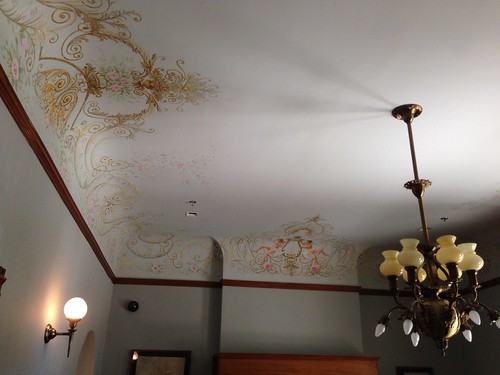
Ceiling detail. Unfortunately, this is a replica, rather than the original restored. Unfortunately, the original ceiling -- hidden for decades behind a 1950s-era popcorn ceiling -- was damaged far beyond repair. But it's quite a nice replica.
Brand library
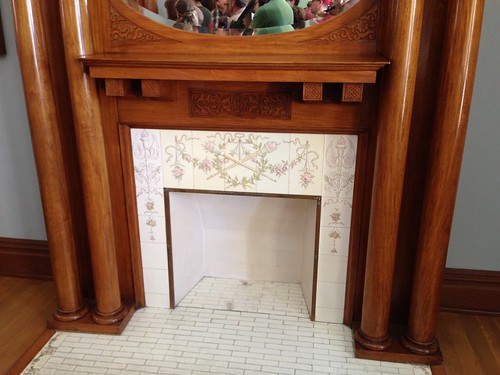
This fireplace, in one of the sitting rooms, is indeed the original, and nicely restored.
Brand library
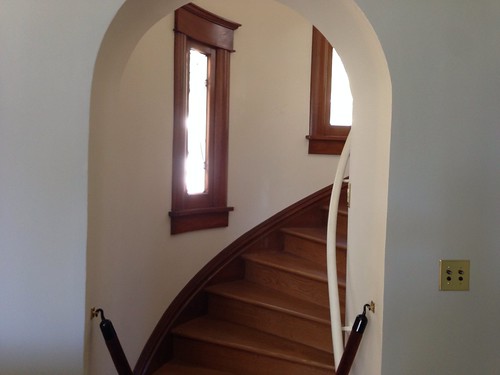
Staircase to the upstairs. But because it's not ADA compliant, it's off limits to patrons.
Brand library
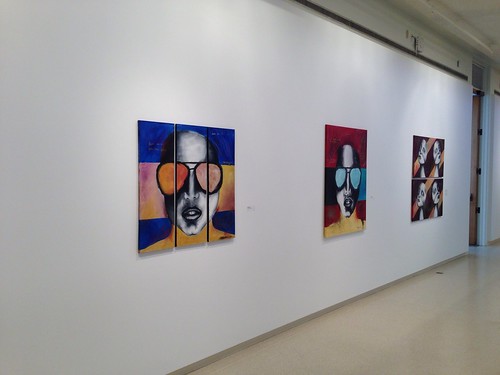
Paintings in the Brand Gallery.
Brand library
Also in the Brand Gallery.