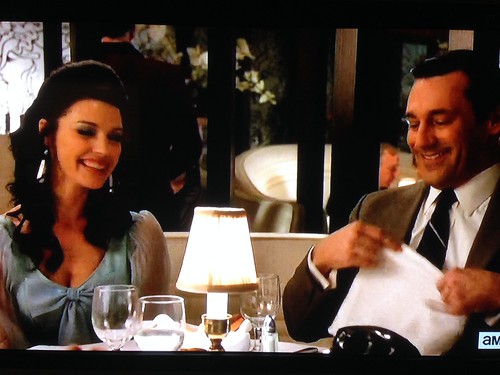
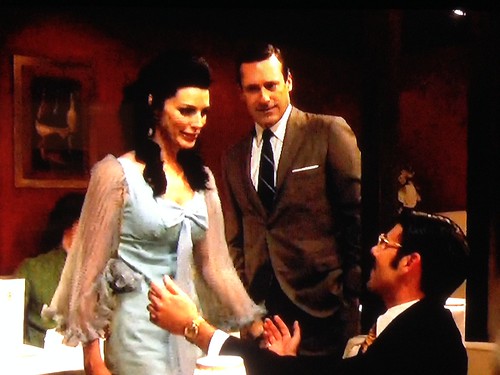
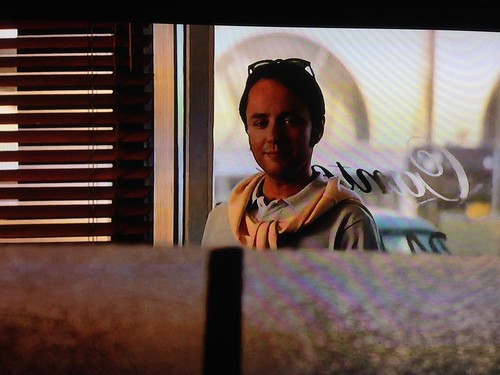
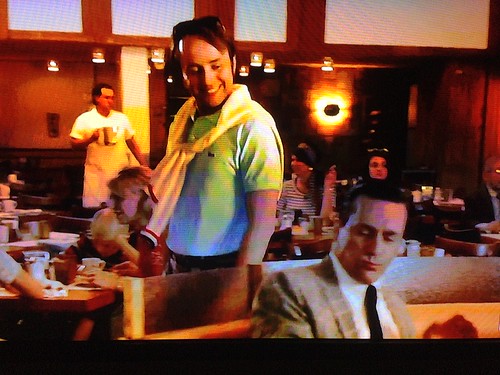
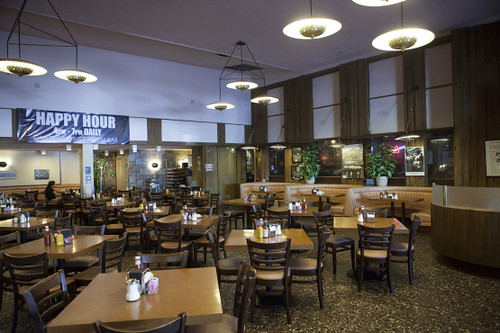
Let's talk about that surprise cameo early in "A Star Is Born."
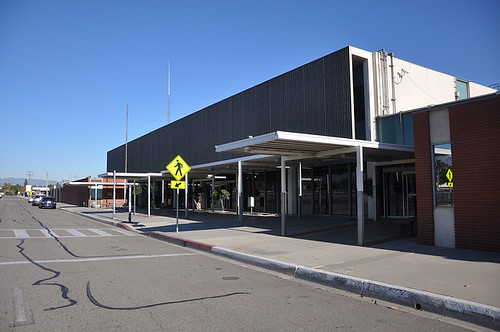
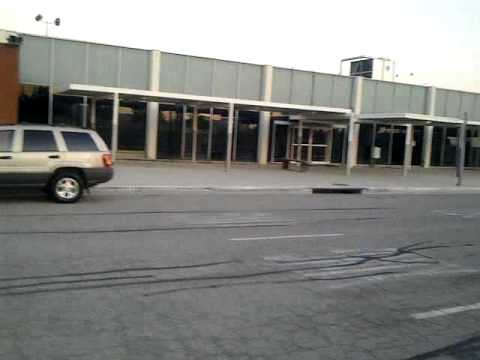
Of course, I'm referring to the Super-A Foods grocery store on Division in Glassell Park. (Quite a few gasps of recognition at the Highland Theatre last night when this scene began!)

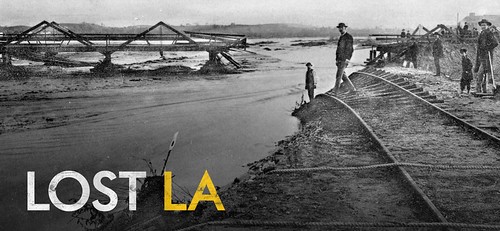
Much of L.A.’s past is lost to history -- but we can rediscover it in the region’s archives. This new series, a co-production of KCETLink and the USC Libraries, in collaboration with L.A. as Subject, brings Southern California history to life by marrying archival materials with innovative forms of documentary storytelling. Hosted by L.A. historian Nathan Masters, this original series of three episodes showcases nine emerging filmmakers. From rotoscoping to cinema verité, the range of the filmmakers’ techniques mirrors the diversity of their backgrounds. But a common thread runs through their films: each brings the primary sources of L.A. history to the screen in surprising new ways. What previously hidden stories will the next generation of filmmakers unearth in the collections of L.A. As Subject members? Tune in to find out.
The Bonaventure Hotel in Downtown Los Angeles is supposedly one of the most photographed buildings in the world, but for all its appearances, it's a pretty inscrutable place: giant, reflective tubes on the outside and spiraling concrete walkways inside. [Marshall] starts to unravel the allure of the Bonaventure, which is both futuristic (see it in Buck Rogers in the 25th Century and Interstellar) and dystopian (car chases, falling deaths, shootouts, Batman, the climactic rave in Strange Days, and so many disaster movies—Marshall narrates that it "must appeal strongly to disaster filmmakers looking for structures to destroy with digital effects, given that it looks computer generated even in real life.")Watch below!
The Bonaventure opened in 1976, designed by John C. Portman, and has since appeared in dozens of movies and TV shows, from the opening of the 1980 series It's a Living to This is Spinal Tap, Escape From LA, Heat, True Lies, and, naturally, Swordfish. Marshall shows in his video how filmmakers employ its iconic exterior, its Brutalist base, and its famously transcendent elevators; use it as a shorthand for Los Angeles or move it to Shanghai or Atlanta; give it new features as needed, like balconies on "the most obviously balconyless hotel in Los Angeles"; and completely and bafflingly ignore the rotating rooftop lounge.
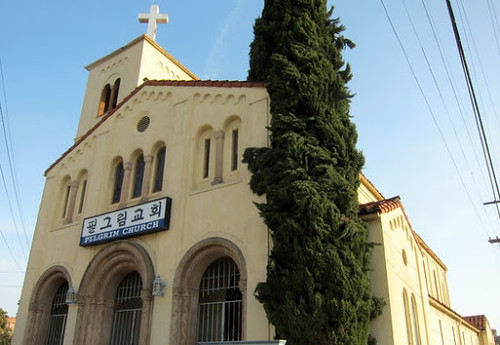
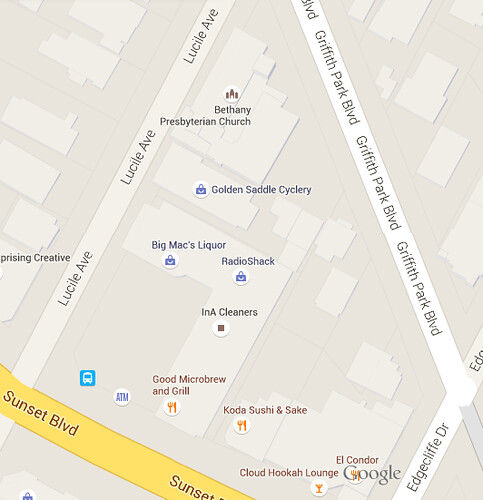
The imposing front doors to the former Bethany Presbyterian Church in Silver Lake are locked shut, the entryway is strewn with trash and shards of broken terracotta roof tiles litter an overgrown garden. A man sleeps alongside of the building, which is topped by a rusting white cross. The church, which neighbors say has not been used on a regular basis for several years, has definitely seen better days since parishioners gathered 80 years ago to lay the cornerstone for the $75,000 Romanesque-style church and Sunday school at the corner of Griffith Park Boulevard and Lucile Street. The church, however, may once again serve as a sanctuary – not for the faithful but for tourists and travelers wanting to bed down in Silver Lake style. The leader of this church revival is Silver Lake resident Dana Hollister, who has renovated many other neglected neighborhood buildings and helped open popular restaurants and bars, including Cliff’s Edge and the 4100 Bar.
Hollister is now taking on perhaps her most ambitious project, turning Bethany Presbyterian into a boutique hotel with 20 rooms and a “food component” or restaurant. “I want to do something that is conservative and appropriate,” she said.
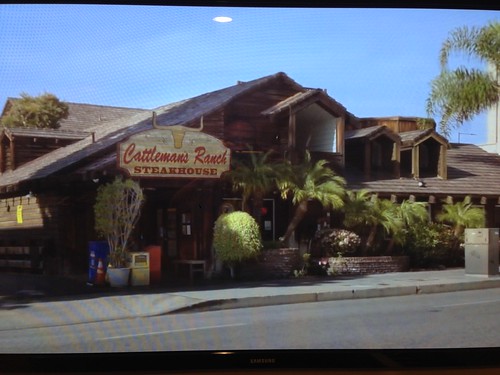
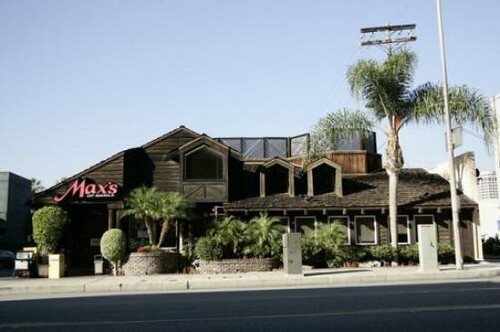
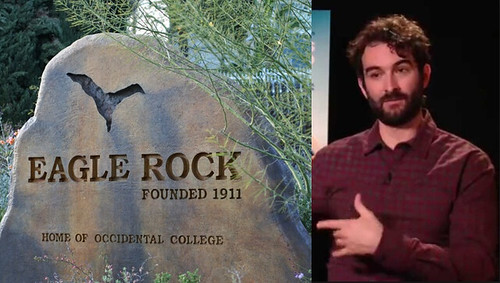
“Eagle Rock is on the fringe of Los Angeles,” Jay Duplass said. “It’s often said that it’s a place where hipsters go to die or go to have children. It’s like a weigh station and our characters have one foot in Los Angeles and one foot out. They’re not sure if they fit in, not sure what they’re doing. It was important to set the show in that particular neighborhood.”
Added Mark Duplass, “The location is representative of how we see the world. How we strive to be closer to our family, kids and friends. But as soon as we get that, we want to eject and be on a trip by ourselves. It’s sad and funny. When we started cooking up the show, that’s the core of what we wanted to make.”
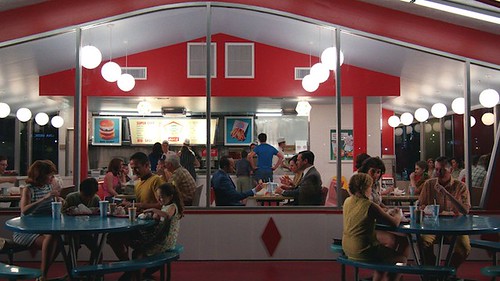
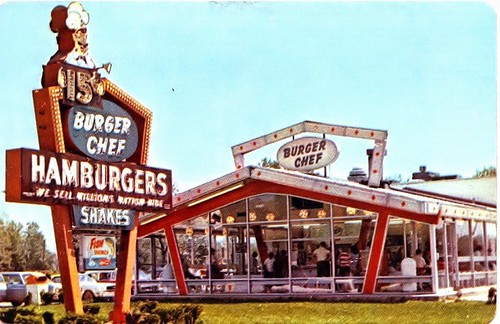
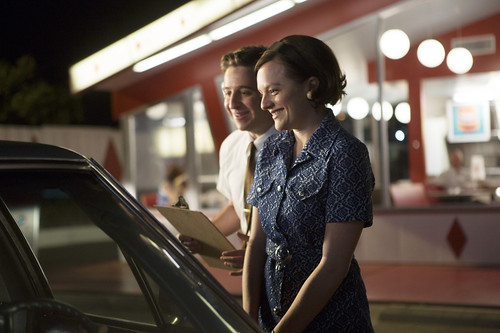
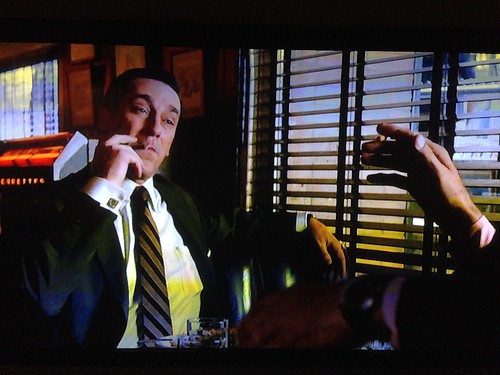
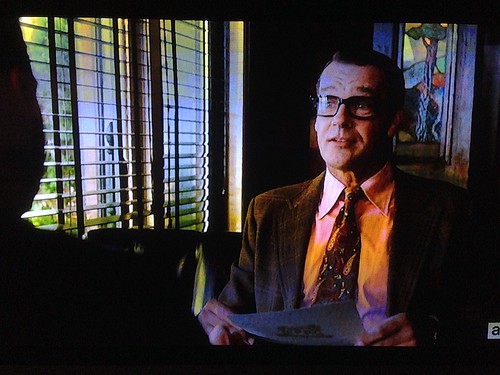
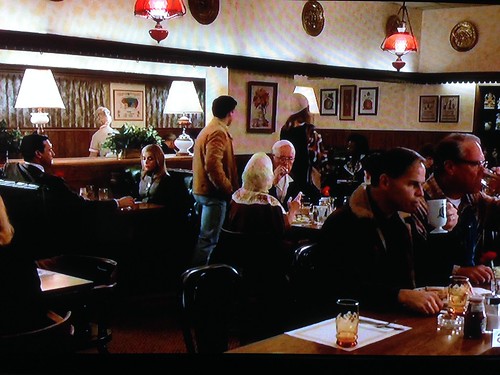
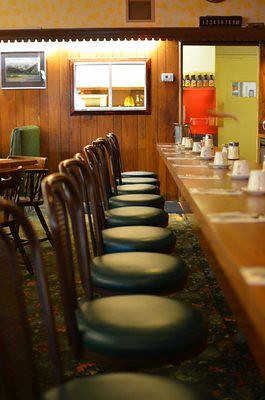
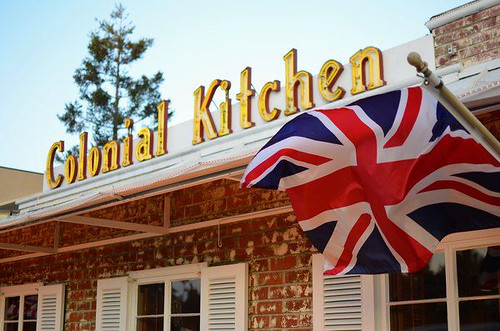

Mitchell Pritchett has taken over my office. I mean that literally, or as literally as possible when one is discussing a fictional character. If you watch last week’s episode of ABC’s Modern Family, you’ll see Mitch start a new job at the Center for Justice. They give him an office with an exposed brick wall, the office in which he finds several intriguing notes left in the desk drawer by the previous occupant. But in real life, the previous occupant of that room was me. (I recently moved to another office that also appears briefly in these scenes; it’s the one to the right of the vending machine, a machine that, sadly, they only brought in for the shoot.
If you live or work in West L.A., you’ve probably had a few Modern Family encounters of your own. And if you live around here and watch the show, it’s easy to forget these people are fictional. They feel like real neighbors who inhabit the same world we do, much more so than any other TV show I’ve ever seen. They’ve filmed at my daughter’s middle school, and Luke and Manny currently attend the public high school (Pali) that they’d probably attend if they were, you know, real people. The Pritchett and Dunphy kids use the playground and sports facilities at the same park we do. Claire’s firing range is in a strip mall that is walking distance from my house (although that particular business does not exist), and the intersection where she tried to get a stop sign installed is one I pass through every day on my bike ride to work (thankfully, it already has a four-way stop). We also regularly see the MF crew as they shoot driving scenes—which involve complicated rigs in front of the characters’ car—all over the local streets.